
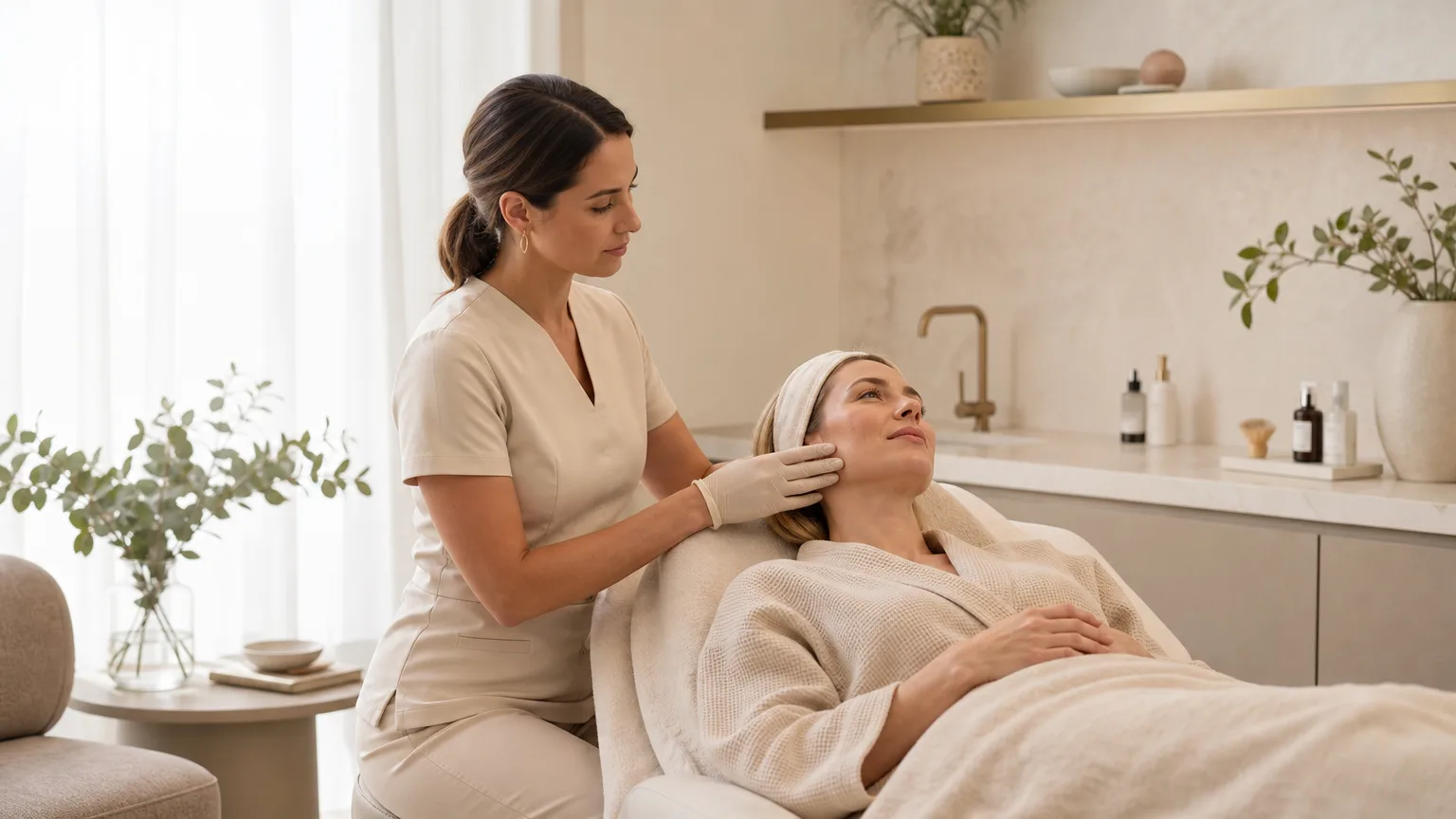
Introduction
Microneedling is a consultation-led collagen induction skin treatment that can help support smoother-looking texture and overall skin quality. In Abingdon and across Oxfordshire, it is often explored for uneven texture, visible pores, and the appearance of post-acne marks. A proper assessment matters most, so treatment can be matched to your skin rather than treated as a standard procedure for everyone.
H2: What microneedling is designed to do
Microneedling creates controlled micro-injuries in the skin’s surface, which prompts a natural repair response. In a clinical setting, the goal is usually to support collagen and elastin, helping skin look firmer, more refined and better balanced over time.
At Aesthetics by Clouds, the emphasis is on measured skin renewal rather than dramatic change. Microneedling may be discussed for rough texture, enlarged-looking pores, mild post-acne textural changes and skin that feels dull or less supple.
H2: Why a consultation comes first
A consultation is essential because skin type, sensitivity, current products and recent procedures all affect whether microneedling is suitable. Your practitioner should also check for active breakouts, barrier disruption, pigment concerns and any history of poor healing before making a recommendation.
This is also the time to set realistic expectations. Microneedling may help improve the appearance of texture and support collagen, but results vary and a course of treatments is often considered. If acne is active or skin is unsettled, timing and treatment depth may need to be adjusted.
H2: Microneedling for texture, tone and acne scarring education
Many people seek microneedling because they want skin that looks smoother in natural light and makeup to sit more evenly. By stimulating renewal, the treatment can support a softer-looking surface and a more refined overall finish.
For acne scarring, precise wording matters. Microneedling may improve the appearance of certain post-acne textural changes, but it does not erase scars or replace a full medical assessment when needed. The clinic should explain the scar pattern, whether microneedling is appropriate, and whether another treatment may be better alone or in combination.
The same careful approach applies to skin tone. Some clients are mainly looking for a more even, healthy-looking complexion rather than a dramatic transformation. A consultation-led plan can focus on skin quality, with conservative settings chosen to suit your complexion and tolerance.
H2: How to prepare before treatment
Preparation is usually simple but important. In the days before your appointment, you may be advised to pause harsh exfoliation, strong active ingredients or any recent non-essential treatments that could make the skin more reactive. Your practitioner will tailor this advice to your products and skin condition.
Arrive with clean skin and a clear record of recent changes, including sun exposure, breakouts, cold sores or new skincare. Good preparation helps the appointment run smoothly and reduces the risk of avoidable irritation.
If you are unsure whether a product should be stopped, ask before the visit rather than guessing. Consultation-led care is partly about timing, so treatment works with your skin rather than against it.
H2: Aftercare and the first few days
After microneedling, skin is often pink, warm or slightly tight, and this usually settles with sensible aftercare. Your clinic should provide guidance based on the treatment depth and how your skin responds.
Keep the routine simple. Gentle cleansing, calm hydration and avoiding heavy makeup, heat, strong actives and prolonged sun exposure are commonly advised for the first couple of days. Sunscreen becomes important once your practitioner says it is appropriate to resume.
Patience helps recovery. Over-cleansing or introducing too many products too soon can make the skin feel more uncomfortable. If anything seems unusual, contact the clinic for advice rather than trying to compensate with stronger skincare.
H2: Collagen support as part of a longer-term plan
Microneedling is often most useful when it sits within a wider skin strategy. Collagen support is gradual, and many people benefit from well-spaced sessions alongside a sensible home routine.
A practitioner may discuss hydration, barrier support and daily sun protection because skin quality is shaped by everyday habits as well as clinic treatment. The aim is not perfection, but a plan that feels realistic and medically responsible.
At Aesthetics by Clouds, this conversation is intentionally calm and personalised. If microneedling is suitable, your clinician can explain the likely course, the commitment involved and how to support your skin between visits.
Questions & Answers
Microneedling in Abingdon: A Calm Guide to Texture, Preparation and Aftercare FAQs
General guidance from Aesthetics by Clouds. Individual suitability is always assessed during consultation.