
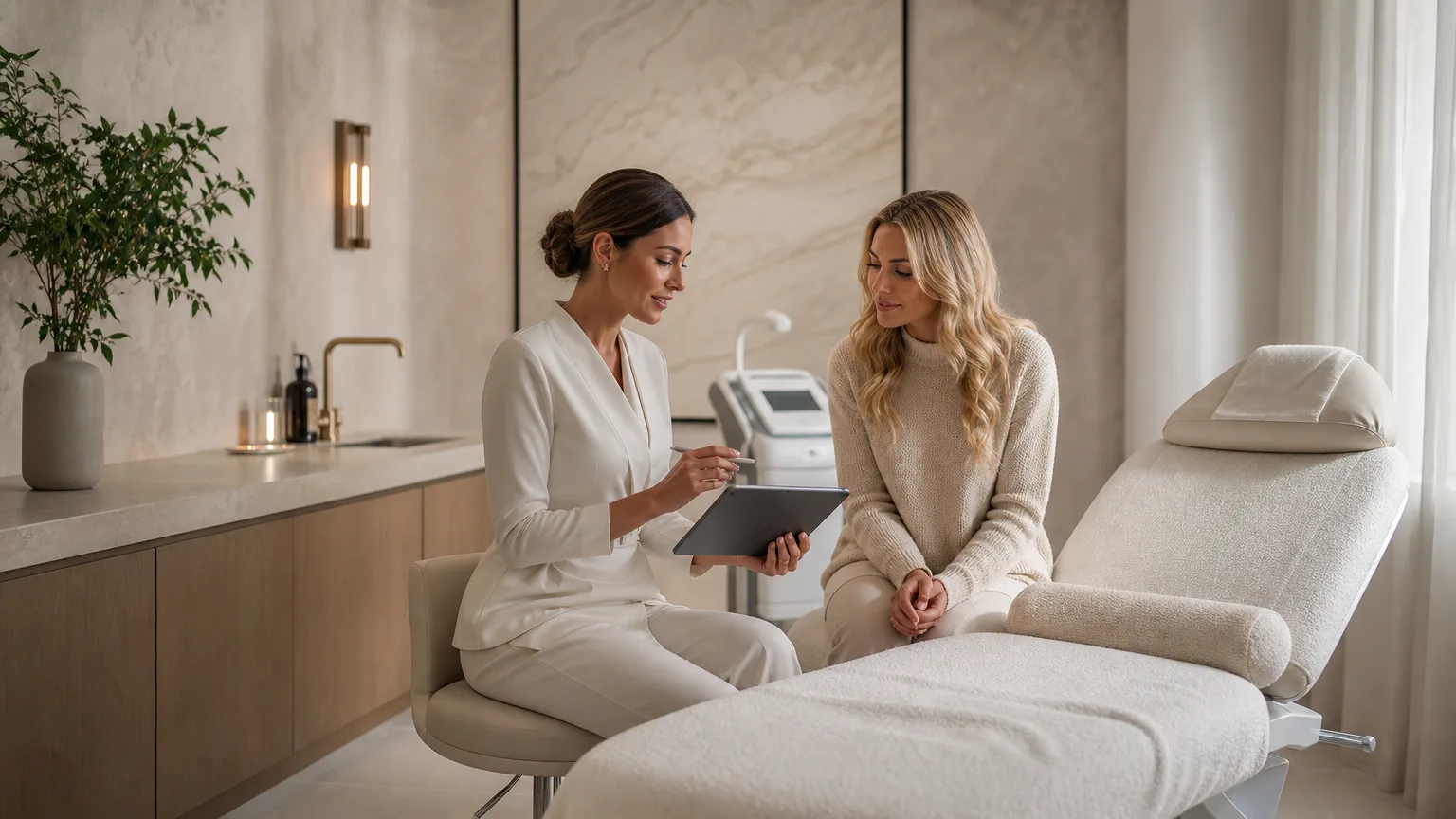
Introduction
PRP, or platelet-rich plasma, is a regenerative treatment that uses a small sample of your own blood to create a plasma concentrate rich in platelets. In aesthetic practice, it is often discussed for skin quality and hair support, but the first step is always a careful consultation. At Aesthetics by Clouds in Abingdon, Oxfordshire, the emphasis is on suitability, expectations and a tailored plan rather than a one-size-fits-all approach. You can also explore our PRP treatment page before booking an appointment.
What PRP is and why people consider it
PRP stands for platelet-rich plasma. After a blood sample is taken and processed, the platelet-rich portion is separated and prepared for treatment. Platelets contain growth factors that are studied for their role in supporting natural repair processes.
In aesthetics, PRP is commonly explored by people who want a subtle, regenerative option for skin or hair concerns. It is not designed to create instant dramatic change. Instead, it is usually considered as part of a broader approach to improving skin condition, supporting scalp health, or complementing other treatments where appropriate.
A treatment built around your own biology
Because PRP uses your own blood, it is often described as a more natural approach to rejuvenation. Even so, natural does not automatically mean suitable for everyone, which is why a consultation matters. Your clinician will consider your goals, medical history and whether PRP is likely to be a sensible option for you.
Who may be suitable for PRP
People often ask whether PRP is right for them before they have had a proper assessment. Suitability depends on the area being treated, your general health, any medication you take and what you hope to achieve.
PRP may be discussed for patients looking for a conservative approach to skin quality or hair support, but it is not appropriate for every concern. During consultation, your clinician should explain where PRP may help, where another treatment may be more effective, and where it may be better to focus on skincare, lifestyle or a different regenerative option.
A responsible consultation also helps to identify reasons PRP may not be recommended, such as certain blood disorders, active infection or other medical considerations. This is part of safe, personalised care rather than a barrier to treatment.
If you are unsure whether to begin, you can book a consultation and talk through your concerns in a calm, discreet setting.
Why medical screening matters
A good PRP consultation is not simply a sales appointment. It is the point at which your clinician checks for factors that could affect safety or the likely benefit of treatment. This protects your wellbeing and helps ensure any plan is realistic.
What to expect during a PRP appointment
A typical appointment begins with a discussion about your concerns and a review of your medical background. If PRP is appropriate, a small amount of blood is taken and prepared using specialist equipment to separate the platelet-rich plasma.
The treatment itself varies depending on whether it is being used for skin or scalp care. Some people describe it as mildly uncomfortable, while others find it very manageable. Your clinician should explain the process clearly beforehand, including aftercare and any temporary effects such as redness, tenderness or swelling.
You should also expect honest guidance on timing. Regenerative treatments often work gradually, so it is sensible to think in terms of a course of care and ongoing review rather than a single appointment promising a fixed result.
How PRP is often combined with other treatments
In some cases, PRP may be discussed alongside microneedling, skin-focused facials or other regenerative treatments. This is not about doing more for the sake of it; it is about building a plan that supports your priorities in a measured way. Your clinician can advise whether combination treatment is appropriate.
Looking after your skin or scalp after treatment
After PRP, aftercare is usually straightforward, but it should still be followed carefully. You may be advised to avoid touching the treated area unnecessarily, keep the skin clean and pause certain products or activities for a short period.
For scalp treatments, your clinician may give specific guidance on washing hair, heat styling or exercise. For facial treatment, you may be advised to keep the routine simple for a day or two and avoid harsh exfoliation.
Good aftercare is part of the overall result. It supports comfort, helps the area settle and allows you to return for review if needed. If you are unsure about any symptom after treatment, you should contact the clinic for advice rather than guessing.
If you would like to understand how PRP fits into the wider menu of care, visit our all treatments page.
Simple aftercare, clear communication
You should leave with written or verbal instructions that are easy to follow. A premium clinic experience means there is no confusion about what to do next, when to resume normal activities and when to seek further guidance.
Why consultation-led regenerative care matters
PRP is best understood as a medically informed treatment, not a beauty trend. The safest and most effective plans are shaped around the individual, with time taken to explain benefits, limits and alternatives.
At Aesthetics by Clouds, the aim is to provide calm, respectful guidance so you can make an informed decision. That may mean choosing PRP, choosing a different treatment, or deciding that a later appointment is the right step. Either way, the consultation should leave you clearer and more confident about what suits you.
If you are considering PRP in Abingdon, a discreet consultation is the most useful place to start. It gives you the chance to ask questions, discuss your goals and explore whether regenerative treatment is right for you. You can also find us in Abingdon if you are planning your visit.
Questions & Answers
PRP in Abingdon: What to Expect at a Consultation-Led Clinic FAQs
General guidance from Aesthetics by Clouds. Individual suitability is always assessed during consultation.